

Beyond Access: Supporting Neurodivergent Students at Hartnell College
 |  |  |
At Hartnell College, conversations about student success are increasingly centered on an important question: What does it truly take for every student to thrive once they arrive on campus?
For many students, the first weeks of college bring anticipation and possibility. For neurodivergent students, they can also bring a new set of questions about how to navigate unfamiliar academic and social environments.
Students who identify as neurodivergent, including those on the autism spectrum or with other intellectual or developmental differences, often feel excitement when transitioning from high school to college. However, because schedules are less structured, learning becomes more independent, and students are often responsible for advocating for the support they need, this transition can also be complex.
Recognizing both the opportunity and the responsibility to better support these learners, Hartnell College was recently selected as one of only eight California community colleges to participate in specialized training focused on neurodiversity, intellectual and developmental disabilities (IDD), and autism through the UCLA Tarjan Center. The center serves as the official consultant to the California Community Colleges Chancellor’s Office on issues related to disability access and inclusive education.
The opportunity quickly sparked something larger.
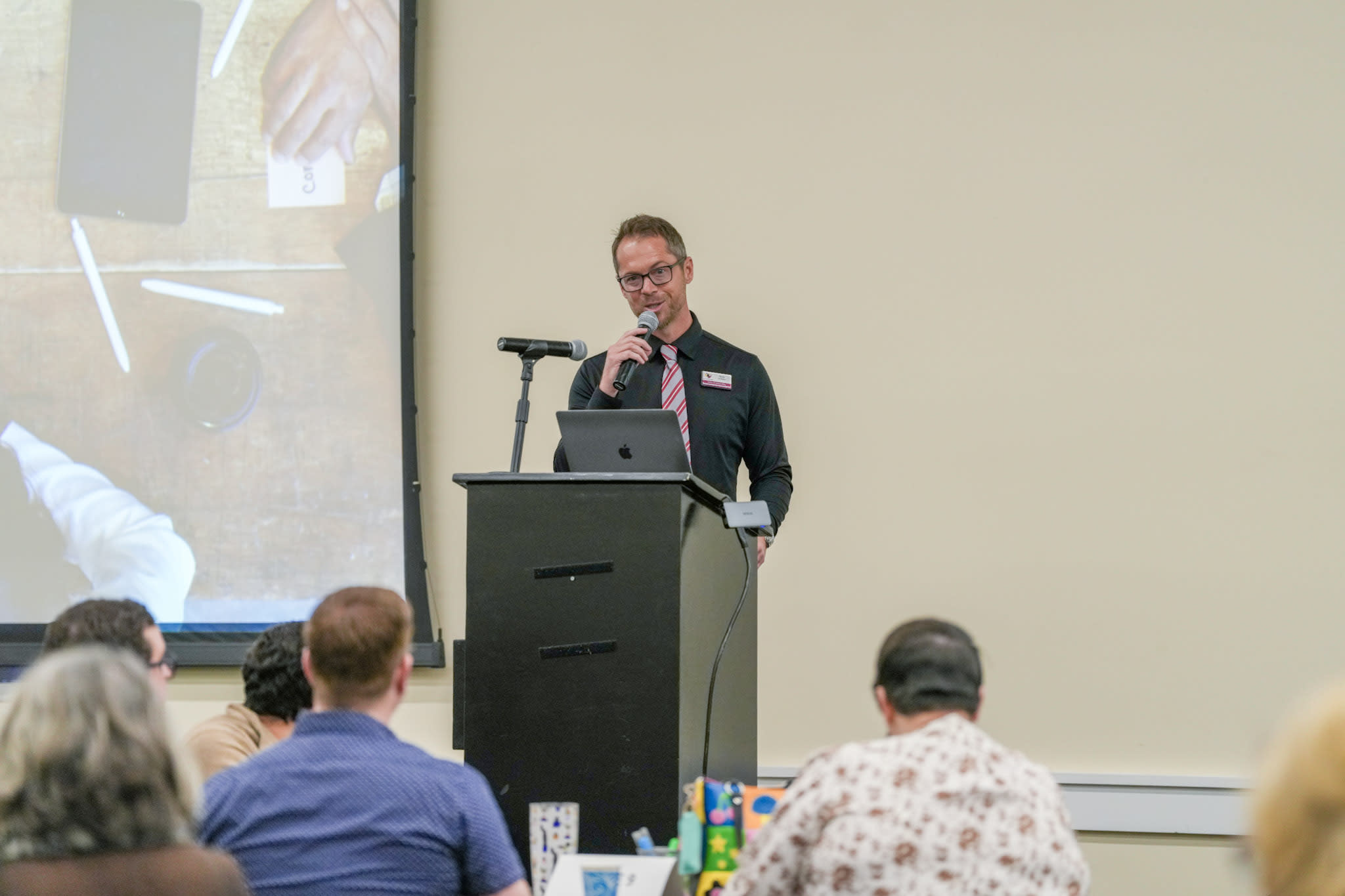
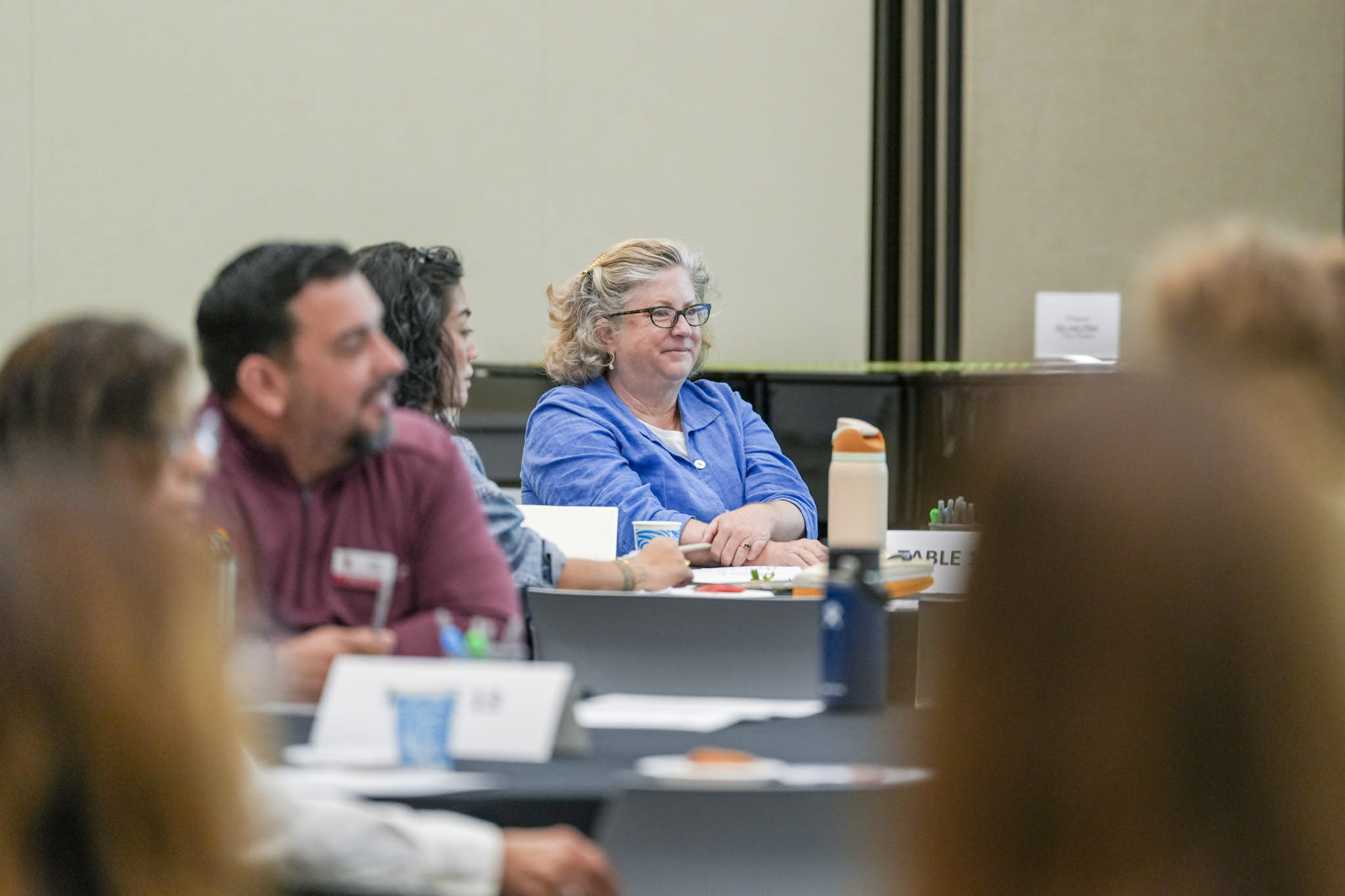
On Friday, February 27, 2026, Hartnell College’s Department of Supportive Programs & Services (DSPS) opened the training to include faculty, counselors, and student support professionals from across Monterey County for what became the inaugural “Beyond Access” workshop. The convening marked the beginning of a hopeful annual regional effort to strengthen collaboration and alignment among institutions working to support neurodivergent students.
During the workshop, participants reviewed local college and county data alongside national trends to gain a clearer picture of both the challenges and the shared opportunity ahead. The discussion highlighted a growing acknowledgment across higher education: when institutions design learning environments that recognize diverse ways of thinking and learning, the entire academic community benefits.
One approach gaining momentum among educators is Universal Design for Learning (UDL), a framework that encourages faculty and program coordinators to design courses that support a wide range of learning styles from the start. Rather than retrofitting accommodations later, UDL invites instructors to build flexibility directly into their teaching.
Small adjustments can make a meaningful difference. Clearer instructions, assignments broken into structured steps, flexible ways for students to demonstrate their understanding, and additional opportunities for practice and feedback can help neurodivergent learners navigate coursework more confidently. At the same time, these design choices can also enhance the educational experience for all students.
Neurodivergent students bring remarkable strengths to the classroom, including exceptional attention to detail, deep focus in areas of interest, strong analytical thinking, and persistence when tackling complex problems. These qualities highlight why approaches such as Universal Design for Learning are so effective. When courses are designed with flexibility and multiple pathways for engagement, students are better able to apply their unique ways of thinking, problem solving, and exploring ideas. In learning environments built with inclusion in mind, these strengths are not only supported but become invaluable to the entire classroom community.
For Kevin O’Haire, Director of Student Affairs in Hartnell’s Department of Supportive Programs and Services, the Beyond Access initiative represents an important step forward.
"Ultimately, the goal of the Beyond Access effort is to foster a campus environment and a broader regional network where neurodivergent students feel understood, supported, and empowered to succeed,” O’Haire said. “Faculty and student services teams are continuing to explore ways to strengthen mentorship, expand support resources, and improve the transition from high school to college."
Looking ahead, Hartnell sees this work as closely tied to preparing students for the workforce. Across industries, particularly in fields such as technology, research, design, and data analysis, employers increasingly recognize the value of neurodiverse talent. By helping students build the confidence and practical skills needed during college, institutions can ensure those strengths translate into meaningful career opportunities and long-term success.
Supporting neurodivergent students effectively requires more than a single program or office. It depends on coordinated efforts across institutions, including faculty, academic and student support services, counseling staff, and community partners. When these groups work together intentionally, they create a network of support that helps students feel connected, confident, and capable as they navigate college life.
That is why the Beyond Access work matters. The initiative brought together educators and student support professionals to align strategies, share knowledge, and strengthen the systems and pathways that help neurodivergent students thrive. It reflects a broader commitment to ensuring that every student who arrives at Hartnell, regardless of how they learn or process information, has the opportunity to connect, contribute, and succeed.